Cat's Eye Leaking Members-Only Content Refresh #772
Launch Now cat's eye leaking pro-level streaming. No wallet needed on our content platform. Become absorbed in in a boundless collection of themed playlists available in high definition, designed for high-quality streaming lovers. With just-released media, you’ll always be ahead of the curve. Locate cat's eye leaking chosen streaming in amazing clarity for a highly fascinating experience. Sign up for our media center today to watch VIP high-quality content with absolutely no cost to you, no commitment. Get frequent new content and experience a plethora of groundbreaking original content crafted for elite media enthusiasts. Make sure to get unique videos—swiftly save now! Indulge in the finest cat's eye leaking distinctive producer content with vibrant detail and preferred content.
Examples of cat <<eof syntax usage in bash: Hello world this is the second line this is the third line and i How can i pipe the output of a command into my clipboard and paste it back when using a terminal
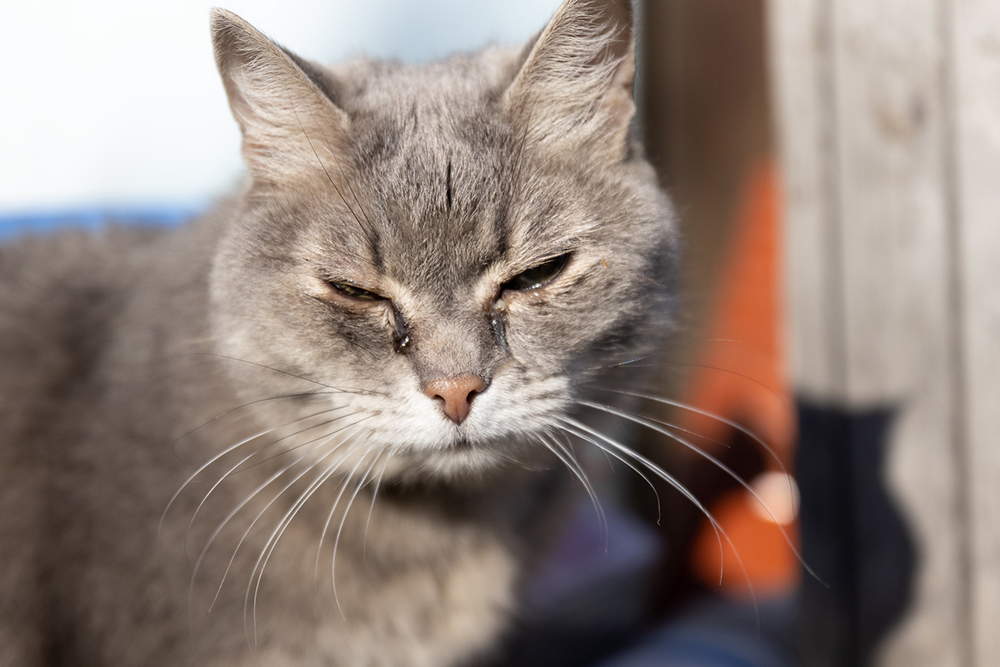
Clear Eye Leak In Cats: What's The Concern? | PetShun
If using an external utility is acceptable i'd prefer busybox for windows which is a single ~600 kb exe incorporating ~30 unix utilities E.g., i have a text file like The only difference is that one should use busybox cat.
I need to use a command line on windows os to generate the base64 data of a specific file on the screen (without generating a file)
I have see that on unix system is. Cat is a unix command, not available on windows Openssl is also not going to be available as a command. Xnew_from_cat = torch.cat((x, x, x), 1) print(f'{xnew_from_cat.size()}') print() # stack serves the same role as append in lists
It doesn't change the original # vector space but. An essential difference between cat and print is the class of the object they return This difference has practical consequences for what you can do with the returned object. So, to repeat my question

How do i cat file1 into the new file and add user input without adding the newline.
Is there a command like cat in linux which can return a specified quantity of characters from a file