Intake Manifold Vacuum Leak Symptoms Latest File & Photo Additions #865
Start Today intake manifold vacuum leak symptoms prime video streaming. No wallet needed on our entertainment center. Explore deep in a comprehensive repository of shows demonstrated in top-notch resolution, a dream come true for dedicated viewing admirers. With hot new media, you’ll always receive updates. Experience intake manifold vacuum leak symptoms specially selected streaming in high-fidelity visuals for a truly captivating experience. Get into our video library today to watch VIP high-quality content with totally complimentary, free to access. Receive consistent updates and experience a plethora of original artist media optimized for select media aficionados. Don't forget to get original media—start your fast download! Explore the pinnacle of intake manifold vacuum leak symptoms singular artist creations with lifelike detail and exclusive picks.
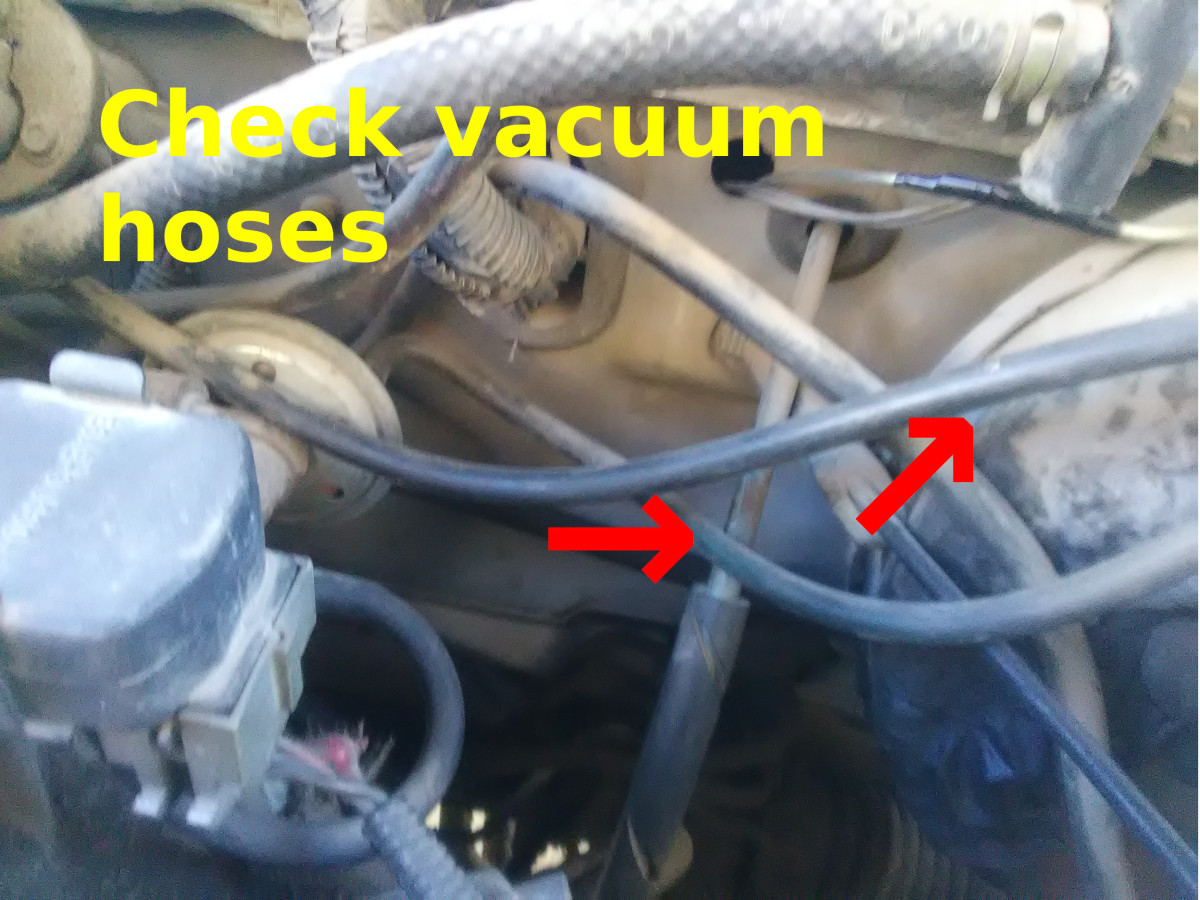
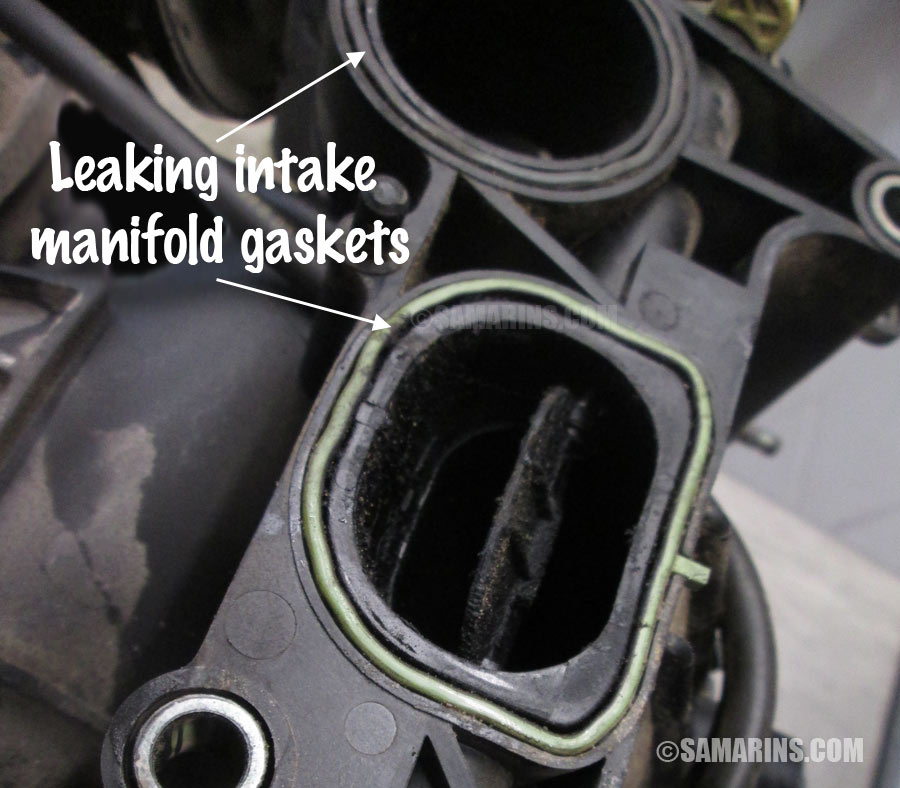
The most common causes of a vacuum leak are a cracked vacuum hose or a leaking intake manifold gasket A vacuum leak can cause rough idling, check engine light, power loss, misfires, and hissing noises. It can also leak from the throttle body gasket or, in rare cases, a cracked intake manifold.
Vacuum leaks: problems, symptoms, repairs
A vacuum leak is most often caused by a damaged plastic or rubber vacuum hose or lines or a leaky cracked intake manifold gasket Learn how to identify and address vacuum leak symptoms in your car's air intake system Additionally, it might leak through your throttle body gasket or, in infrequent instances, a damaged intake manifold, positive crankcase ventilation (pcv) valve, egr valve, or a faulty brake booster.
The most common symptoms of a vacuum leak include an illuminated check engine light, rough running, stalling, increased engine idle rpm, and a hissing noise from the engine
A vacuum leak occurs when there's a leak somewhere in the engine, allowing unmetered air to enter the intake manifold, which can cause various problems A vacuum leak can be caused by a broken intake manifold, intake. A vacuum leak occurs when air enters the engine's intake manifold without passing through the engine's mass air flow sensor (maf sensor) or throttle body The part costs from $25 to $65
If an intake boot is not installed properly at an air filter box (see this photo) or at a throttle body, it can cause a vacuum leak too An intake manifold is bolted to the engine head or plenum With age, plastic intake manifolds warp. Discover essential techniques for mastering vacuum leak repair at the intake manifold with cleveland auto repair's comprehensive guide
Benefit from expert tips, avoid common mistakes, and implement preventive maintenance to ensure optimal vehicle performance.
Having problems with intake manifold leaks Learn about the causes, symptoms, testing and prevention Stop leaks like vacuum, coolant and oil. To determine if you have a vacuum leak in your intake manifold, you'll typically notice a combination of specific symptoms and can confirm it through diagnostic tests
A vacuum leak occurs when air enters the engine through a crack or gap in the vacuum hoses, intake manifold gasket, air intake tube or other components