Memory Leak In Java Full Media Package #628
Begin Your Journey memory leak in java select media consumption. No strings attached on our media hub. Dive in in a great variety of featured videos highlighted in 4K resolution, great for first-class streaming gurus. With brand-new content, you’ll always get the latest. Explore memory leak in java organized streaming in ultra-HD clarity for a mind-blowing spectacle. Access our digital stage today to experience members-only choice content with zero payment required, registration not required. Appreciate periodic new media and venture into a collection of uncommon filmmaker media designed for elite media savants. Take this opportunity to view unseen videos—download quickly! Get the premium experience of memory leak in java unique creator videos with dynamic picture and editor's choices.
Learn what memory leaks are in java, how to recognize them at runtime, what causes them, and strategies for preventing them. Symptoms, types, and tools you can use to avoid, detect or fix them. In programming, a memory leak happens when a program keeps using memory but does not give it back when it's done
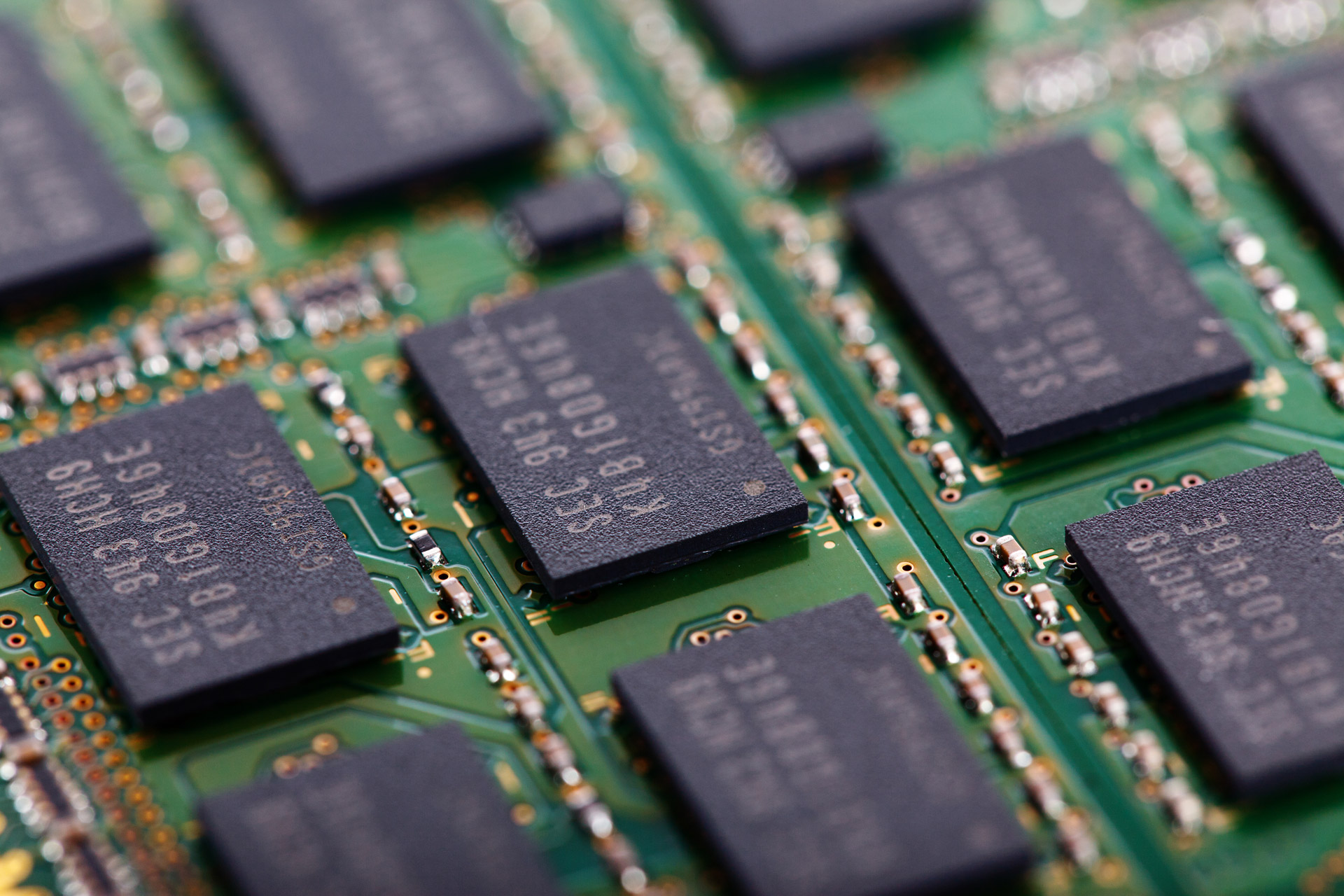
Free Images : technology, desktop, semiconductor, pc, ram, chips
It simply means the program slowly uses more and more memory, which can make things slow and even stop working Learn what is a memory leak in java and what causes it Working of memory management in java java has automatic garbage collection, which simply means that java can automatically free up memory for objects that are no longer.
Explore strategies to detect and fix memory leaks in java
Understand tools like visualvm, mat, and best practices for optimal memory management. Memory management is a critical aspect of developing efficient applications in java A memory leak occurs when a program does not release memory that is no longer in use, which can lead to performance degradation, increased memory consumption, and even application crashes In this post, we'll explore the common causes of memory leaks in java, as well as how to identify and prevent them.
A memory leak occurs when an application unintentionally holds references to java objects or classes, preventing them from being garbage collected These unintentionally held objects or classes can grow in memory over time, eventually filling up the entire java heap or metaspace, causing frequent garbage collections and eventual process. Explore common causes of memory leaks in java, including static references, threadlocals, unclosed resources, and more Learn practical prevention strategies and code examples.

Memory leaks can be elusive and frustrating, but with the right knowledge and tools, we can effectively detect, diagnose, and prevent them in our java applications
By adopting good practices like resource cleanup, careful static usage, and proper event listener management, we can mitigate memory leaks and build more robust and efficient software. This post discusses common memory leak issues in java applications, focusing on the forever growing object caused by static collections that accumulate data without removal It outlines symptoms, troubleshooting techniques, and preventive measures, emphasizing the importance of analyzing heap dumps to identify problematic objects and improve application performance.