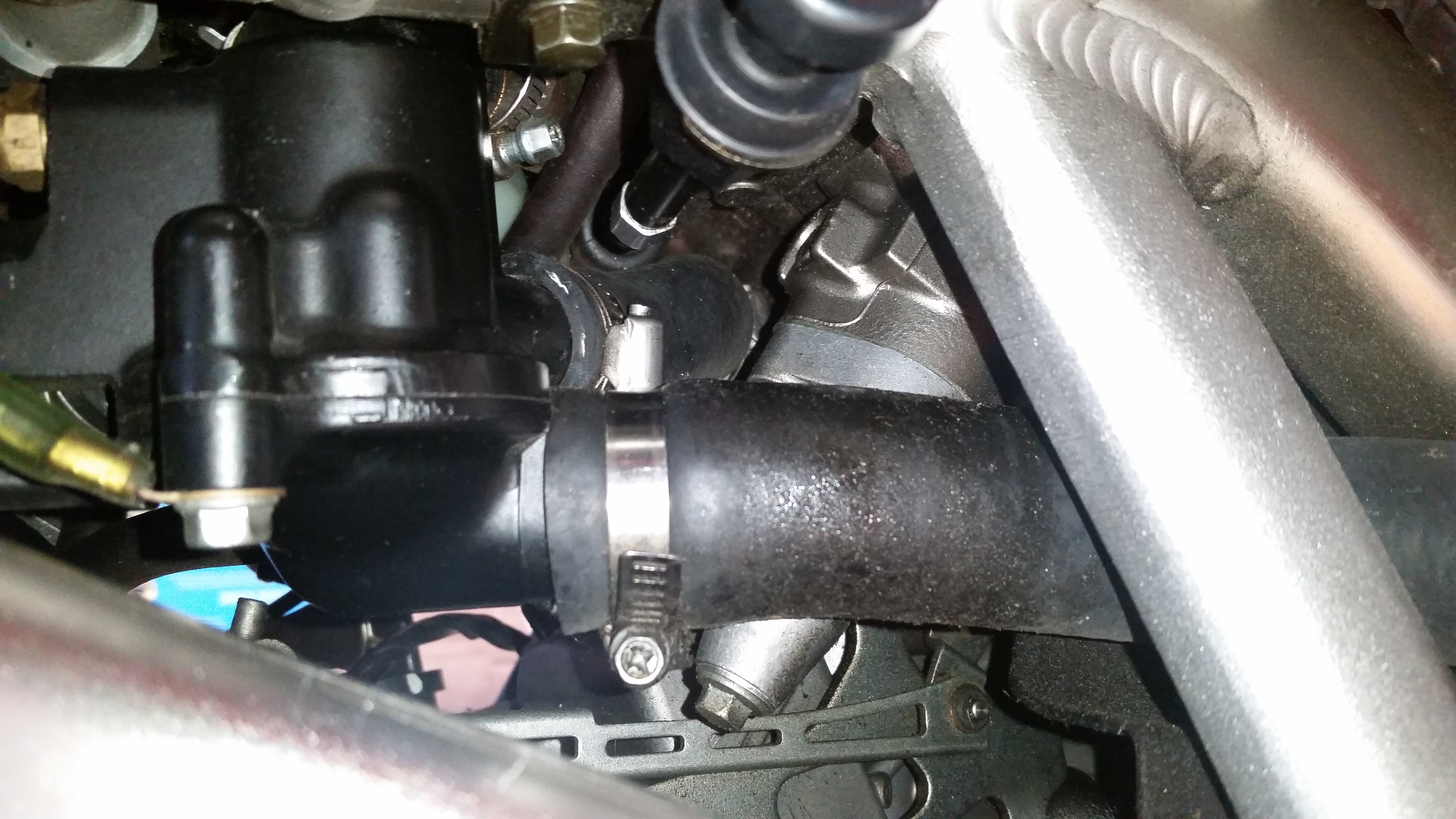
Coolant Leaking From Thermostat New 2026 Files Update #765
Play Now coolant leaking from thermostat unrivaled broadcast. Complimentary access on our media destination. Step into in a extensive selection of tailored video lists ready to stream in top-notch resolution, a dream come true for dedicated viewing enthusiasts. With contemporary content, you’ll always stay updated. Experience coolant leaking from thermostat expertly chosen streaming in retina quality for a genuinely engaging time. Be a member of our digital hub today to see solely available premium media with free of charge, subscription not necessary. Benefit from continuous additions and venture into a collection of singular artist creations designed for prime media supporters. Grab your chance to see original media—download now with speed! Enjoy top-tier coolant leaking from thermostat rare creative works with sharp focus and featured choices.
Coolant leaking from the thermostat housing can be a frustrating and costly problem When the housing develops a leak, it can cause serious problems, including overheating and engine damage. By understanding the causes, symptoms, and prevention methods, you can take proactive steps to ensure your vehicle's cooling system runs smoothly and efficiently.
Antifreeze Leaking From Thermostat Housing
A thermostat housing is an important part of the cooling system It houses the thermostat, which regulates the temperature of your engine by controlling the flow of coolant In this article, we'll explain what it does, why it's leaking, and how much it costs to replace.
A leaky thermostat housing is a common problem that can lead to overheating, engine damage, and even a breakdown
If you notice coolant leaking from your engine, it's important to address the issue quickly In this blog post, we'll delve into the causes of thermostat housing leaks, explore the symptoms, and guide you through the steps on how to stop thermostat housing from leaking. A thermostat leak is usually caused by movement in the coolant rubber hose, damaged housing, and a worn seal The common symptoms of a thermostat housing leak are a stuck thermostat valve, an illuminated low coolant warning light, and the p0128 or p0125 code.
Coolant, also known as antifreeze, is essential for regulating engine temperature, and a leak can lead to overheating, engine damage, and even complete vehicle failure This comprehensive guide delves into the complexities of thermostat housing leaks, exploring their causes, symptoms, diagnosis, repair options, and preventive measures. Thermostat housing function the thermostat housing holds the thermostat, and it can be a standalone or integrated design, depending on what type of vehicle you drive Leaks are normally caused by a damaged or cracked housing, a failing seal, or because of exposure to extreme temperatures

The cooling system is designed to keep the engine running at the best temperature, thereby avoiding.
The thermostat housing, a crucial component of your vehicle's cooling system, plays a vital role in regulating engine temperature However, it can sometimes become a source of coolant leaks, leading to overheating and potential damage to your engine This blog post will delve into the question can coolant leak from thermostat housing and explore the causes, symptoms, and solutions to. How to handle coolant leaks from the thermostat housing effectively before they cause serious engine issues
Discover the essential steps you need to take! Are you tired of coolant leaks originating from your thermostat housing This common problem can lead to overheating, engine damage, and costly repairs If you're looking for a solution, you've come to the right place

One such problem is a leaky thermostat housing
The thermostat housing is an essential component of your car's cooling system