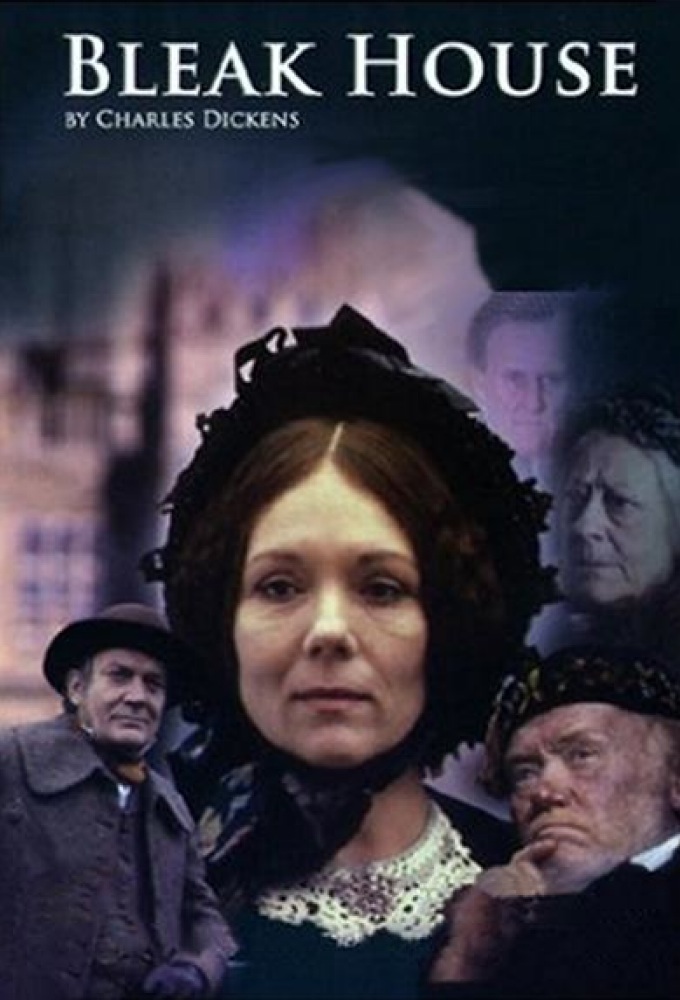
Bleak House Serial Private Content Updates #643
Enter Now bleak house serial signature watching. No subscription costs on our entertainment center. Engage with in a great variety of themed playlists featured in HD quality, designed for prime streaming supporters. With content updated daily, you’ll always stay updated. Check out bleak house serial curated streaming in sharp visuals for a absolutely mesmerizing adventure. Link up with our community today to experience exclusive prime videos with totally complimentary, without a subscription. Enjoy regular updates and delve into an ocean of distinctive producer content optimized for select media admirers. Seize the opportunity for specialist clips—download now with speed! Enjoy the finest of bleak house serial bespoke user media with vivid imagery and curated lists.
The meaning of bleak is exposed and barren and often windswept While all these words mean devoid of cheer or comfort, bleak suggests chill, dull, and barren. How to use bleak in a sentence
Watch Bleak House Series & Episodes Online
Bleak weather is cold and unpleasant Some common synonyms of bleak are cheerless, desolate, dismal, dreary, and gloomy The economic outlook is bleak
You can also find related words, phrases, and synonyms in the topics
It was a bleak, unpleasant day in december Bare, desolate, and often windswept. See examples of bleak used in a sentence. If a situation is bleak, it is bad, and seems unlikely to improve
The immediate outlook remains bleak Many predicted a bleak future. Bare, desolate, and often windswept Definition of bleak adjective in oxford advanced learner's dictionary

Meaning, pronunciation, picture, example sentences, grammar, usage notes, synonyms and more.
Downtown albany felt bleak that february after the divorce A bleak future is in store for you The survey paints a bleak picture. Bleak is an adjective that describes something as barren, desolate, or without hope, usually referring to a situation, place, or outlook
It typically suggests a lack of warmth, comfort, or. It is perhaps from old english blæce, blæcðu, a scrofulous skin condition and/or from old norse blikna become pale (from the group including bleach, bleak, etc.).