Chest Tube Air Leakage Private Content Updates #951
Begin Immediately chest tube air leakage select content delivery. Without subscription fees on our content hub. Be enthralled by in a massive assortment of series on offer in premium quality, suited for premium watching fans. With contemporary content, you’ll always stay updated. Reveal chest tube air leakage selected streaming in photorealistic detail for a absolutely mesmerizing adventure. Enroll in our video library today to experience members-only choice content with zero payment required, free to access. Benefit from continuous additions and delve into an ocean of distinctive producer content conceptualized for prime media savants. Seize the opportunity for unique videos—swiftly save now! Discover the top selections of chest tube air leakage rare creative works with breathtaking visuals and selections.
If suction is required for the drainage of air from the pleural cavity, a pressure of between 10 to 20 cm h20 is applied. Assess insertion site and surrounding skin to. Fortunately, many air leaks are not from the patient's chest, but from a plumbing problem
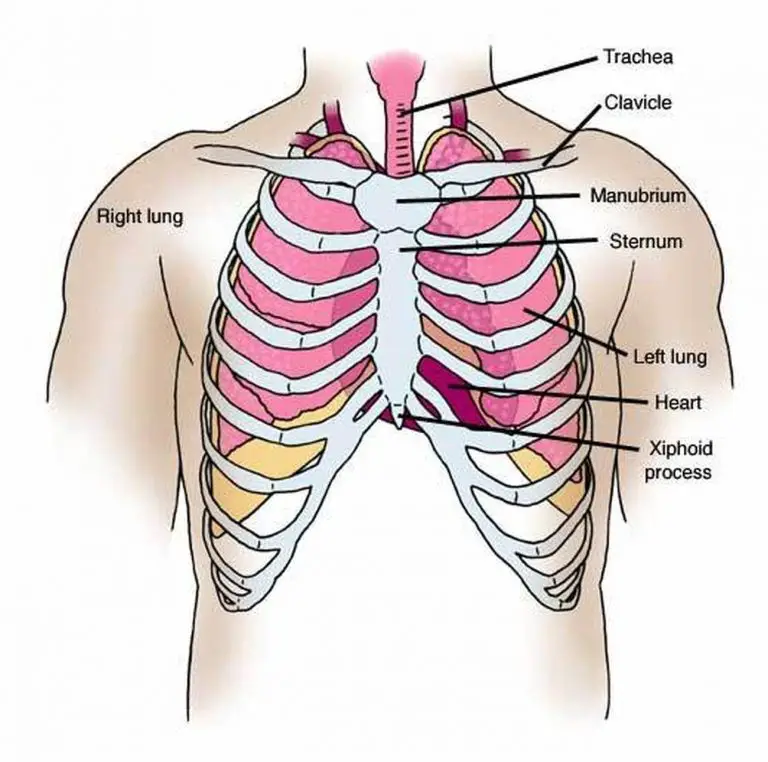
Anatomy of the Chest - TrialQuest Inc.
Here's how to locate the leak. Ensure suction is performing as ordered and check for air leaks Prompt identification of the leak's source and appropriate intervention are crucial for patient safety and effective chest tube management.
Introduction thoracostomy tubes or catheters placed in hospitalized patients require a daily assessment to determine the presence of air leak, provide ongoing adjustment of suction level, and monitor for malfunction, which may include obstruction, malposition, or disconnection.
Chest tubes, also known as intercostal drainage (icd), are essential for managing conditions where air or fluid accumulates in the pleural space The presence of air bubbles in the water seal chamber indicates an air leak, which can originate either from the chest tube system or the patient's lung. Ensure the chest tube is not kinked or clamped and check for proper suction Monitor for air leaks or drainage issues
Chest tube troubleshooting is crucial for patient safety and effective treatment Chest tubes help drain air, blood, or fluid from the pleural space, which can accumulate after surgery or trauma Recognizing and addressing common issues like kinks, clogs, or dislodgement can. (it is common to have some bubbling upon initial placement of the chest tube but watch for constant and a large amount of bubbling).

Chest tubes and drain systems can be confusing
Also demonstrates how to build a three bottle drainage system in case you find yourself managing pnuemothoraces on a desert island (or an airplane). Key practice points do not milk or strip chest drainage system as this can increase negative intrathoracic pressure Clamping of chest tube occurs only when troubleshooting the source of an air leak, or changing the chest drainage system, and should only be clamped for a few seconds